ACADEMIC COURSE INFORMATION
Master of Urban Design Graduate Program
|
Fundamentals of Urban Design Graduate Program
|
Planning, Law and Urban Design Graduate Program
|
Third Year: Urban HousingUndergraduate Program
|
PAST ACADEMIC COURSE INFORMATION
Urban Design and Development Economics
|
5th Year Studio Comprehensive Architectural Project
|
Community Planning WorkshopProfessors Ken Chilton (Geography) and David Walters (Architecture)Fall 2005 - University of North Carolina at CharlotteOne of the most difficult tasks in contemporary planning and urban design is managing growth in communities on the suburban fringe of a metropolis so that they can retain some individual character and follow more sustainable principles and practices. Most suburban development is wasteful in its use of land and other natural resources, and sustainable development principles, by contrast, include more compact settlement patterns, with mixed uses, a walkable urban structure, and greater respect for the natural environment. Sustainable development also means re-embedding meaningful urban and natural public spaces as the setting for a renewed and reinvigorated public and communal life. Sustainability refers not only to ecologically sound practices but also to social factors of equal opportunity, diversity and social justice. Green Architecture & UrbanismA Real-Life Sustainable Community for the CarolinasProfessors David Walters and Chris GrechFall 2003 - University of North Carolina at CharlotteWe should all live lightly on the land. Our responsibilities as architects and urban designers are especially important in the pursuit of ecologically sustainable urban forms and building design. Our society consumes land and energy far faster than any other culture in the world’s history. When we’ve used the energy it’s gone. It’s non-renewable. When we’ve finished with the land, we often throw it away like some discarded commodity. Architects have imagined eco-topias for generations. Very few have ever been built. This is different. This project looks to a brighter, energy efficient future, but it’s based in the real world of development economics, site constraints and local clients. This is an opportunity to design a model community that will transform the way our profession, developers, elected officials and the general public think about the way we build our cities and towns, and how we live in them. It will redefine your thinking about the connections between the urban world we create and the natural world we inherit. Public universities ought to contribute to the public good, not just in terms of turning out skilled and educated graduates, but by contributing meaningfully to the conversations and concerns of the community through the sharing of the faculty’s expertise and the students’ youthful insight. These concerns are urgent, for the Charlotte region’s urban future hangs in the balance. As a counterpoint to placeles sprawl around the periphery this project can demonstrate higher and better goals and standards of design and development as an example to our expanding metropolis and the nation. The role of all projects undertaken by the CCDS is to illuminate important issues like these, and to provide potential solutions to “real-life” urban design and town planning problems that can promote progress towards a sustainable urban future – a livable city. |





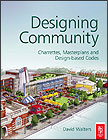
Designing Community
Charrettes, Master Plans and Form-based Codes
David Walters
2007 Architecture Press
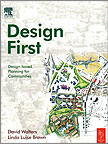
Design First
Design-based Planning for Communities
David Walters &
Linda Luise Brown
2004 Architecture Press
.jpg)
Future Office
Design, Practice & Applied Research
Christopher Grech & David Walters
2007 Spon Books